
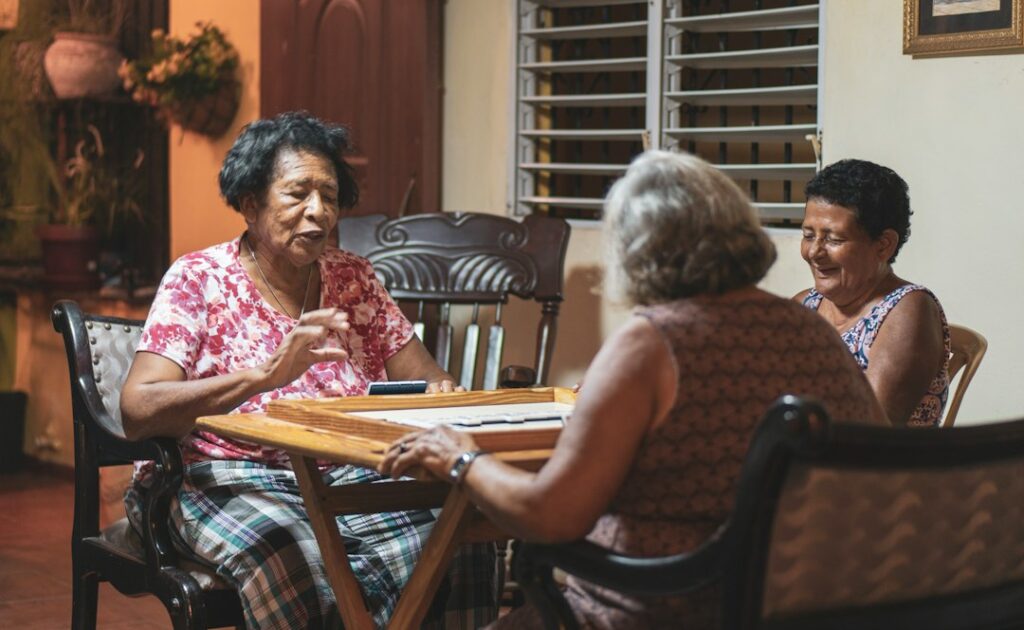
Why social connection matters in assisted living
Assisted living can make social connection a regular part of daily life rather than something that depends entirely on transportation, family schedules, or physical ability. Residents have more opportunities to see familiar people, share activities, and take part in routines that create a sense of belonging.
Social connection is more than conversation. It can include eating with others, joining a small activity, greeting neighbors in a hallway, attending a discussion, or simply knowing that someone will notice if a resident does not appear for a usual meal. These everyday interactions can help reduce loneliness and support emotional well-being.
For older adults in Kulpmont, PA, assisted living may be especially helpful when winter weather, limited daylight, driving concerns, or changes in household arrangements make it harder to stay socially active at home.
How does assisted living help residents meet people?
Assisted living creates repeated opportunities for residents to interact with the same group of people. Familiarity often develops gradually through shared meals, scheduled activities, exercise sessions, lounges, and common areas.
A resident does not need to be highly outgoing to form connections. Relationships may begin with small, low-pressure exchanges, such as:
- Sitting near the same people during meals
- Joining a card game or craft activity
- Talking with a neighbor in a shared lounge
- Participating in a music, discussion, or spiritual activity
- Walking with another resident through an indoor common area
- Helping choose a movie, activity, or group topic
Repeated contact matters. Seeing the same people several times a week gives residents time to learn names, notice common interests, and feel more comfortable participating.
What types of activities support meaningful friendships?
The most useful activities are not necessarily the largest or most elaborate. Smaller gatherings often give residents more time to speak and feel included.
Common examples include:
- Group meals with flexible seating
- Trivia, board games, puzzles, and card games
- Gentle movement or stretching sessions
- Art, gardening, baking, or seasonal decorating
- Book, current-events, or storytelling discussions
- Music programs and sing-alongs
- Reminiscing activities centered on local customs, family traditions, or past occupations
- Celebrations of birthdays, holidays, and personal milestones
Activities can also support different levels of ability. A resident with limited mobility may still participate by choosing music, sharing memories, helping organize materials, or talking with other participants.
A strong social program allows residents to participate without making attendance feel mandatory. Some people prefer lively groups, while others connect more comfortably through one-to-one conversations or quiet shared activities.
Can assisted living help someone who is shy or introverted?
Yes. Social connection does not require constant group participation or a highly active personality. Many residents prefer predictable routines, smaller gatherings, or brief conversations rather than large events.
A shy resident may feel more comfortable beginning with a familiar setting, such as breakfast at a regular time or a small activity with a limited number of participants. Staff members can also help introduce residents who share interests, backgrounds, hobbies, or communication styles.
Introverted residents may benefit from having both social opportunities and private time. Healthy community living should not mean being surrounded by people every moment. Personal choice remains important. A resident should be able to decline an activity, spend time alone, or choose a quieter way to connect.
How does assisted living support family relationships?
Assisted living does not replace family contact. It can make family visits and conversations easier by reducing some daily burdens and providing a stable setting for connection.
Family members may find it easier to focus on conversation, memories, and shared activities when routine household tasks are handled within the residence. Visits can include:
- Looking through photographs
- Sharing a snack or meal
- Listening to familiar music
- Celebrating a birthday or holiday
- Taking a short walk when weather and mobility allow
- Joining a resident activity for part of the day
For families who live farther away, scheduled phone or video conversations may help maintain regular contact. Consistency is often more meaningful than lengthy but infrequent visits.
Family members should also understand that a resident may become socially engaged with peers, staff, and neighbors. These additional relationships complement family bonds rather than competing with them.
What happens if a resident has memory loss or communication difficulties?
Residents with memory loss, hearing changes, speech difficulties, or other health conditions may still benefit from social interaction. The type and pace of connection may need to be adjusted.

Helpful approaches can include:
- Using clear, calm conversation
- Allowing extra time for responses
- Choosing quieter settings when background noise is distracting
- Focusing on familiar music, photographs, foods, or activities
- Offering simple choices instead of several questions at once
- Including sensory activities, such as folding towels, arranging flowers, or handling familiar objects
A person may not remember a conversation later but can still experience comfort, enjoyment, and recognition during the interaction. Social connection should be measured by the resident’s sense of participation and well-being, not only by memory of the event.
How do seasons affect social connection in Kulpmont?
Seasonal conditions can influence how older adults interact with others. Cold temperatures, snow, ice, and shorter winter days may discourage outdoor visits or make transportation more difficult. Indoor gathering spaces and planned activities can help maintain routines during these periods.
During warmer months, residents may have more opportunities for outdoor seating, walks, gardening, or family visits outside. However, seasonal changes can also affect allergies, heat tolerance, balance, and energy levels. Activities should be adjusted for comfort and safety rather than treated as obligations.
For households considering assisted living, it is useful to ask how social activities continue during poor weather, power interruptions, or periods when outdoor movement is limited.
What should families look for in a socially supportive setting?
Families can learn a great deal by observing how residents interact during an ordinary day rather than only during a special event. A socially supportive environment often shows signs such as:
- Residents are greeted by name
- Common areas are comfortable and easy to access
- Activities are offered at different times and ability levels
- Meals provide opportunities for conversation
- Residents can choose between group and individual activities
- New residents receive help becoming familiar with routines
- Staff notice changes in participation or mood
- Quiet residents are included without being pressured
It is also reasonable to ask how residents who do not attend scheduled activities are supported. Social connection can happen in hallways, dining areas, outdoor spaces, small sitting areas, and during ordinary daily routines.
What if a resident still feels lonely?
Moving into assisted living does not automatically eliminate loneliness. A resident may miss a spouse, longtime neighbors, a familiar home, or a previous role in the community. Adjustment can take time.
Signs of ongoing isolation may include skipping meals, remaining in the apartment most of the day, losing interest in familiar activities, or expressing sadness about having no meaningful contact. These changes should be discussed with the appropriate care team so possible causes can be considered, including depression, hearing loss, pain, fatigue, medication effects, or difficulty understanding the activity schedule.
Practical support may include introducing the resident to one compatible neighbor, arranging a regular family call, changing meal seating, or identifying an activity connected to a longtime interest. Personal introductions and steady follow-up are often more effective than simply handing someone a calendar.
Social connection in assisted living develops through repeated, respectful opportunities to participate. Shared routines, thoughtful activities, family involvement, and attention to individual preferences can help residents maintain relationships while creating new ones.
